These days, with everything moving so fast at work, boosting productivity has become a top priority for companies everywhere. One pretty cool solution that's been gaining quite a bit of attention is Standing Desks. Studies actually show they can bump up your productivity by as much as 46%, and they also do wonders for your overall well-being. In fact, a recent market report predicts that the standing desk market will grow at an annual rate of over 15% from 2023 to 2028 — which just goes to show how more folks are realizing the health perks of staying less sedentary. At Guangdong Junshi Intelligent Furniture Co., Ltd., we’re really leading the way in this space. We’re all about blending the latest tech with ergonomic design to create smart office solutions that aren’t just comfortable but also help people work more efficiently. Our R&D team is passionate about developing workspace systems that serve not only governments and businesses but also institutions — all aimed at making work environments better and more productive for everyone.
The Rise of Standing Desks: Understanding Their Popularity and Benefits
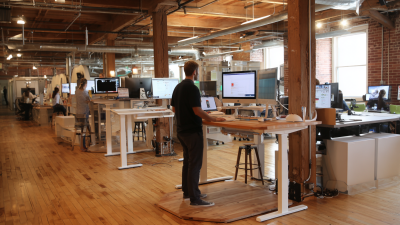
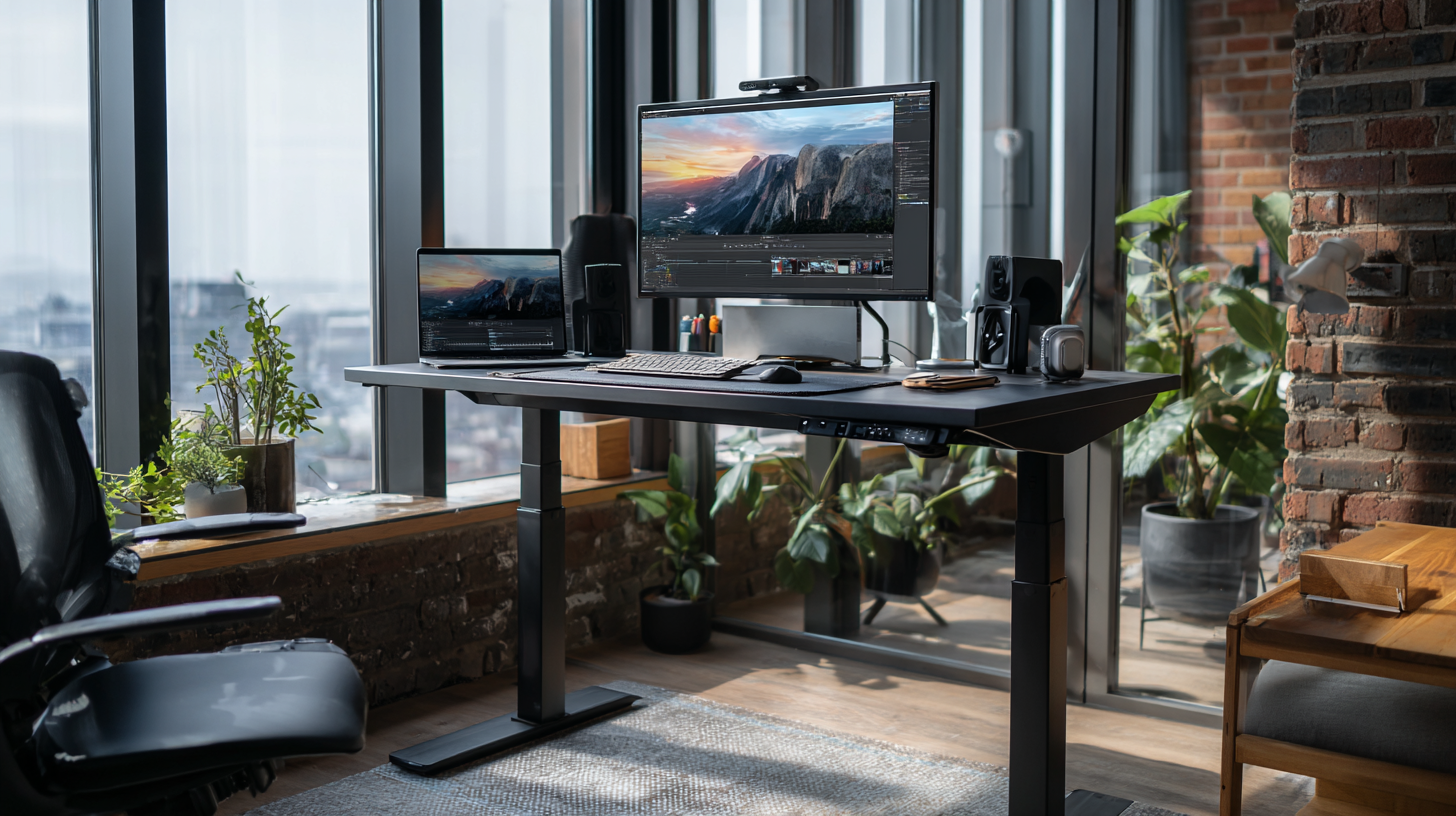
Lately, it seems like standing desks have become a pretty big deal, and honestly, it’s not hard to see why. More and more folks are realizing how bad sitting all day can be for your health—stuff like gaining weight, heart problems, and sore muscles are real concerns. So, a lot of people and companies are jumping on the standing desk bandwagon, hoping to make work a little bit healthier. The cool thing is, these desks let you switch between sitting and standing, which not only helps you keep good posture but also keeps your energy up through those long work hours.
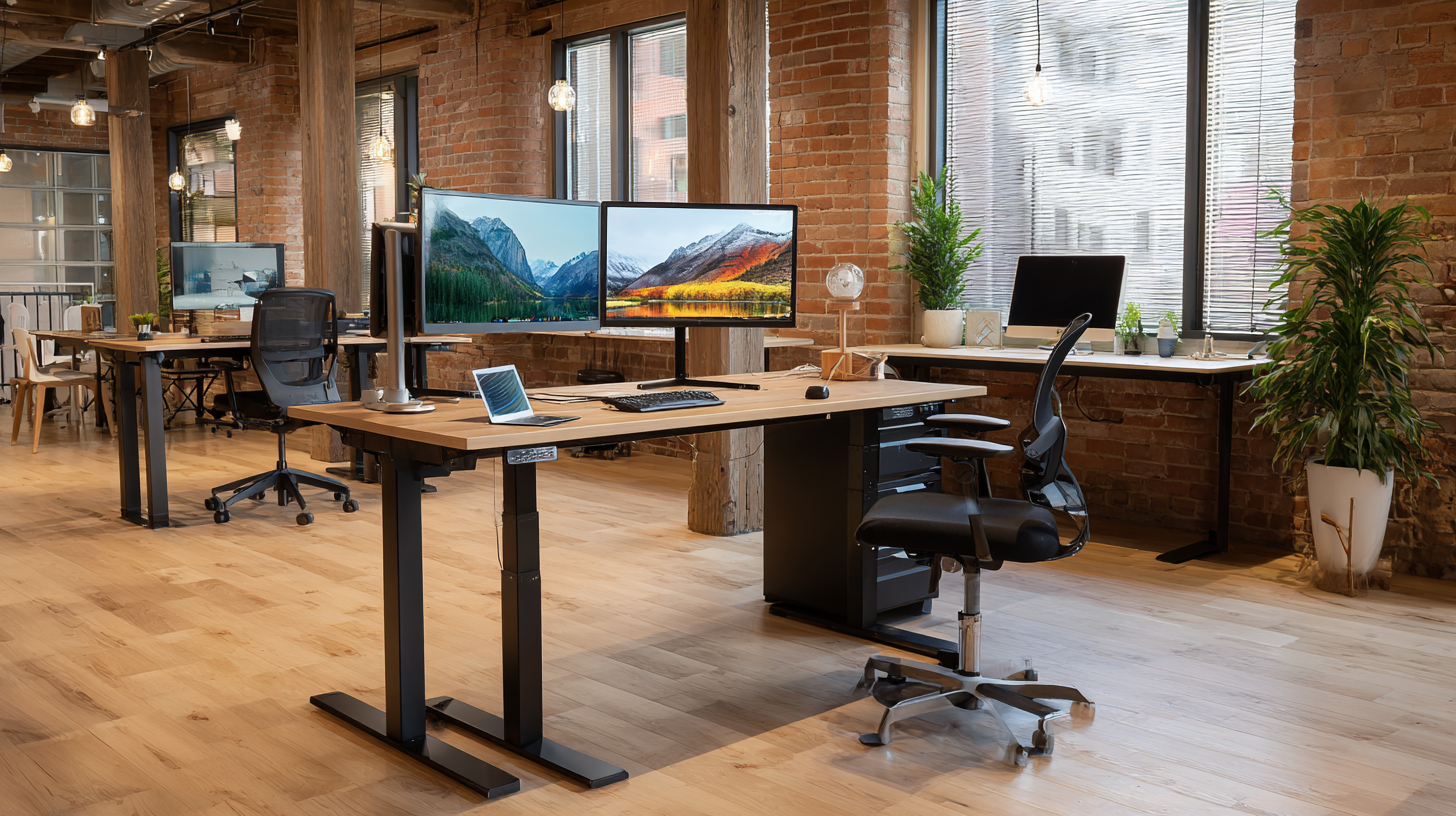
And it’s not just about health, either—standing desks can actually boost how productive you are. Tons of users say they feel more focused and less tired when they stand while working. Moving around more during your day can also spark some fresh ideas and make team interactions a lot more lively. Plus, these desks are super flexible—adjusting height is a breeze, so they’re great for all kinds of tasks and work styles. All in all, they’re not just good for your body, but they can really help make the work environment more lively, collaborative, and just a bit more fun.
Choosing the Right Standing Desk: Key Features to Consider
Picking out the right standing desk isn't just a small detail—it really makes a difference when it comes to staying productive and comfortable during those long work sessions. One of the most important features to look for is adjustable height. Honestly, a desk that lets you switch easily between sitting and standing is a game-changer because it caters to your personal vibe and work style. It's nice to find one with a good range of height options—maybe even with preset settings for different users—so you don’t have to fuss around every time. Having that kind of flexibility really helps keep your posture in check and can save you from feeling tired or strained after a while.
Another thing to think about is the size and surface space of the desk. Make sure it’s big enough to hold your computer, monitors, and all the little tools or papers you tend to use. A roomy workspace helps you stay organized and cuts down on clutter, which honestly boosts your focus and just makes working a lot less stressful. And don’t forget about stability! A sturdy desk that doesn’t wobble when you’re standing or leaning on it will help you concentrate better and avoid distractions. Take your time evaluating these features—trust me, finding the right standing desk that fits your needs can really give your productivity a serious boost.
Transform Your Workspace: The Ultimate Guide to Boosting Productivity with Standing Desks
| Feature | Importance | Recommended Value |
| Height Adjustment | Essential for ergonomic setup | Electric or manual with a range of 24"-50" |
| Stability | Prevents wobbling or shaking | Steel frame with a weight capacity of 200 lbs |
| Surface Area | Accommodates all workspace essentials | Minimum 48" wide |
| Material Quality | Durability and aesthetics | High-quality MDF or natural wood |
| Cable Management | Keeps workspace tidy | Integrated cable management system |
Incorporating Ergonomics: Tips for Optimal Standing Desk Setup
Lately, standing desks have been all the rage in workplaces, and it’s not just a fad — there’s actually quite a bit of research backing up their benefits. For example, a study from the University of Sydney found that using a standing desk can cut down sitting time by up to half, which might help lower your chances of dealing with chronic health problems caused by sitting too much. That said, just switching to a standing desk isn’t a magic fix. To really make the most of it, you’ve gotta get your ergonomics right — that’s how you stay comfortable and get stuff done without pain.
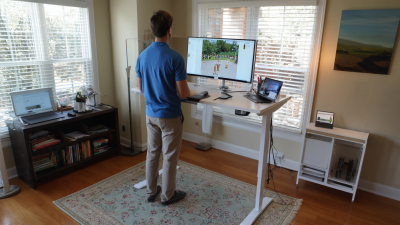
First things first, make sure your monitor is at eye level — the top of your screen should be at or just below your eye line. It seems simple, but it makes a big difference for your neck. Also, position your keyboard so your elbows are bent at around 90 degrees—that way, you won’t end up slouching or straining. Plus, adding an anti-fatigue mat under your feet can seriously help reduce discomfort, making standing for longer periods way easier and more comfortable.
And don’t forget, it’s good to switch things up. Changing between standing and sitting during your day keeps your energy up and even helps you concentrate better. The CDC mentions that moving around often can boost your cognitive performance, so throwing in some standing breaks is definitely worth it. Basically, if you pay attention to your ergonomics, you’ll create a workspace that’s not only healthier but also helps you stay more focused and productive throughout the day.
Maximizing Productivity: Strategies for a Seamless Transition to Standing Desks
Switching to a standing desk can be a bit of a shift, so it’s best to take it slow and make the process feel as natural as possible—trust me, it’s all about finding that sweet spot for your productivity. One trick I’ve found helps a lot is setting up a gradual plan: start by alternating between sitting and standing for just a few minutes at a time, then slowly increase the standing periods as your body gets used to it. It’s like easing into a new routine—you don’t want to push too hard right away or you might end up sore or uncomfortable. Over time, your muscles will adapt, and you’ll notice working becomes way easier and more comfortable.
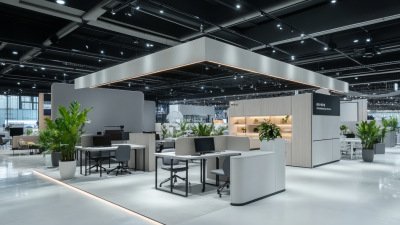
Another thing to think about is creating a workspace that actually motivates you. Add some little touches—maybe a plant or some nice art—that make the space inviting. Make sure your desk and monitor are set at the right height too, so you’re not straining your neck or back. When your workspace is neat, organized, and feels good to be in, it can really help lower stress and sharpen your focus. Spend a bit of time setting up your standing desk so it’s not just functional but also a place where you actually want to spend your work hours. That way, switching to this more active way of working will feel much smoother and more natural.
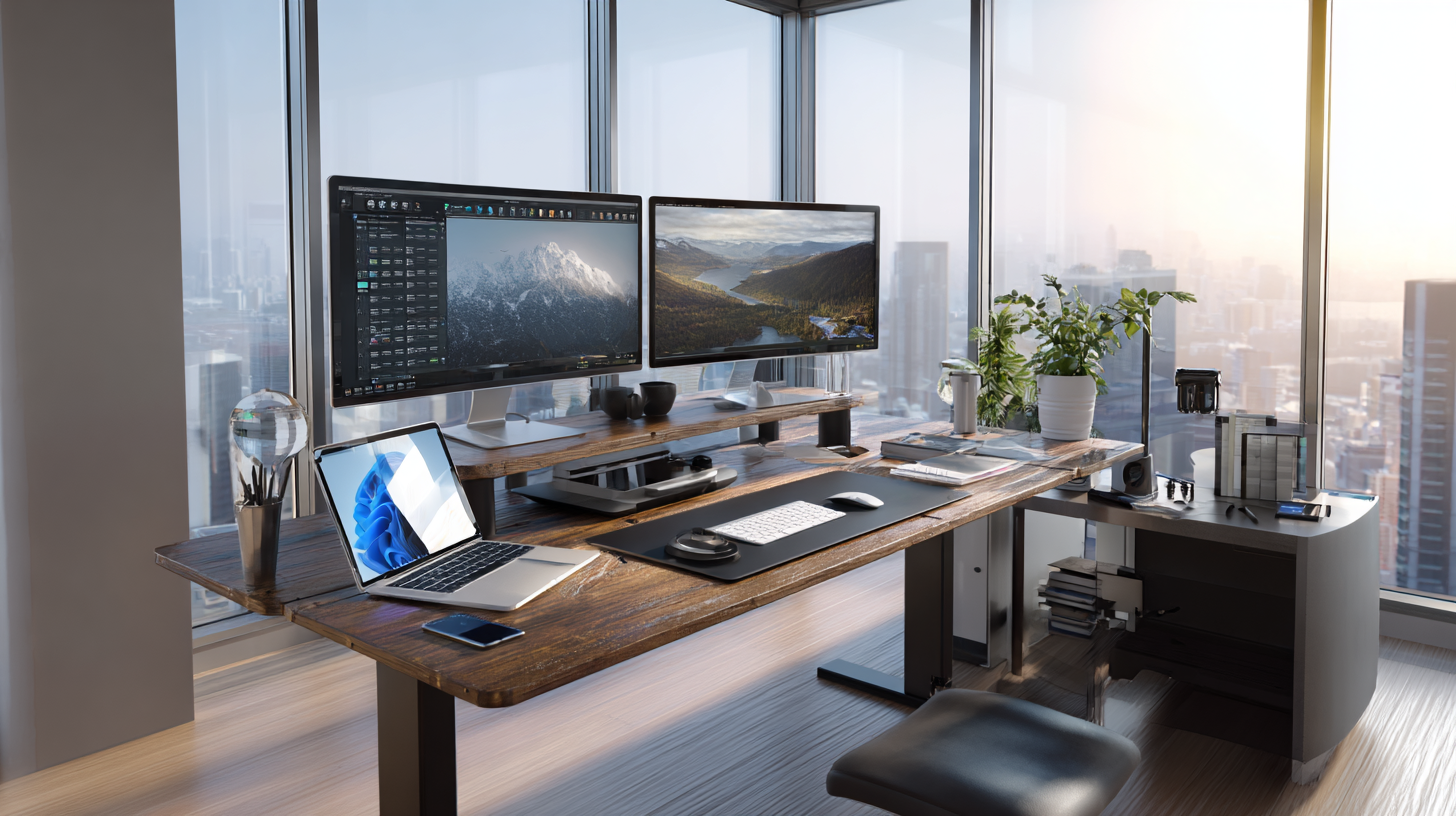
Creating a Healthy Workspace: Combining Movement with Standing Desk Use
In today’s crazy-fast work world, making your workspace healthy isn’t just a good idea — it’s kind of essential if you wanna stay productive and keep your sanity. Standing desks have definitely become pretty popular lately, mainly because they’re a simple way to fight off that sedentary vibe a lot of office folks get stuck in. Using a standing desk can help you move around more during the day, which often leads to feeling more energized and focused. But here’s the thing — just switching to a standing desk isn’t enough. You really gotta make a habit of moving regularly too.
**Pro tip:** Try setting a timer on your phone or watch to remind yourself to shuffle your weight, stretch your legs, or take a quick walk around every hour. It’s a simple trick that keeps your blood pumping and helps avoid that stiff, tired feeling from standing all day. And if you’re really serious about comfort, throw in a footrest — it encourages tiny leg movements that can make a big difference.
Another thing to consider is investing in an Adjustable Desk. That way, you can easily switch between sitting and standing — giving your body a little variety and helping prevent fatigue from being on your feet for too long.
**Another quick tip:** Make sure you’re wearing comfy shoes or maybe get an anti-fatigue mat. Trust me, it makes a huge difference when you’re standing for hours. Putting together a workspace that gets you moving and stays ergonomic isn’t just about comfort — it’s about creating a healthier, more productive work life overall.
Maintaining Your Standing Desk: Best Practices for Longevity and Maintenance
Taking good care of your standing desk is pretty important if you want it to last and continue helping you stay productive. Did you know that sitting for long periods can lead to health issues? The American Journal of Epidemiology points out that being seated for too long ups your risk of chronic problems, which is why lots of folks opt for standing desks to improve their posture and overall health. But, just like any piece of furniture, your standing desk needs some TLC — like checking it’s stable, making sure the moving parts work smoothly, and wiping down the surfaces now and then. Simple stuff, really, but super important.
At Guangdong Junshi Intelligent Furniture Co., Ltd., we really focus on blending ergonomic design with cutting-edge tech in all our products. For example, research from the CDC shows that employees who switch between sitting and standing report about 54% less musculoskeletal discomfort. Our desks are built to make that transition easier, but it’s also on you to take some proactive steps — like adjusting the height just right for you and using anti-fatigue mats if you’re on your feet for a while. Teaching users about these little habits can really help extend the life of the desk and make your workspace more comfortable and productive overall.
Impact of Standing Desks on Productivity
FAQS
: The best way to transition is to set up a gradual schedule, alternating between sitting and standing in short bursts and gradually increasing the standing intervals over time.
To create an engaging workspace, incorporate elements that please your senses such as plants or art, and ensure your desk and monitor are at the correct height to prevent strain.
Maintaining a standing desk is essential for ensuring its longevity and maximizing its productivity benefits, as improper maintenance can lead to dysfunction or discomfort.
Regularly check the stability of the desk, ensure the mechanisms function smoothly, and keep surfaces clean.
Studies show that employees who alternate between sitting and standing report 54% less musculoskeletal discomfort, promoting better posture and overall well-being.
Adjust the desk height to suit your specific needs and consider using anti-fatigue mats to enhance comfort while standing.
Using a standing desk can help reduce the risk of chronic health issues associated with prolonged sitting and promote better posture.
A well-organized and aesthetically pleasing workspace can significantly reduce stress and enhance focus, leading to improved productivity.
Regular education on maintenance and ergonomic practices can prolong the lifespan of the desk and enhance productivity and employee satisfaction.
Users should focus on gradual adjustments and creating a workspace that is both functional and inviting to ease the transition.
Conclusion
Lately, standing desks have become super popular, and for good reason — they come with quite a few perks when it comes to your health and getting things done. If you're thinking about jumping on this trend, our guide, "Transform Your Workspace: The Ultimate Guide to Boosting Productivity with Standing Desks," is a pretty great resource. It walks you through what to look for when picking out a standing desk — stuff like how adjustable it is and whether it can hold up over time. Plus, it stresses the importance of ergonomics, giving you some easy-to-follow tips for setting up your station comfortably so you don't end up with aches and pains.
If you're new to standing desks, don’t worry — the guide also shares some handy strategies to help you make the switch smoothly. And honestly, staying active during your workday by mixing in movement is key to staying healthy and focused. Oh, and to keep your desk in tip-top shape, there are some simple maintenance tips too. By paying attention to all these things, you can turn your workspace into a more productive, healthier place — and it’s seamlessly in line with the innovative solutions offered by Guangdong Junshi Intelligent Furniture Co., Ltd.